Numan Builder

Quick Answer
Whether the Oura Ring is worth it depends on how you will use it. It is a good fit if you want discreet sleep, recovery and stress tracking without a screen. It is a poor fit if you want built-in GPS, workout coaching or no ongoing fees. The Oura Ring 5 starts at $399 and needs a $5.99 monthly membership ($69.99 per year) for full app access, so budget about $610 for the first three years.
Introduction
Smart rings promise a lot, and Oura is the best-known name. But the price and the membership make many buyers hesitate.
This guide from worldblueglow.com covers what the ring actually does, what it costs over time, where it falls short and who should skip it. No hype, just the facts that help you decide.
What Does the Oura Ring Actually Track?
The Oura Ring tracks your body mostly while you sleep, then turns that data into daily scores. It focuses on rest and recovery more than workouts.
Sleep and Recovery
The ring estimates sleep stages, resting heart rate and HRV. These feed into sleep and readiness scores that tell you how recovered you may be.
Body Temperature and Other Signals
It also tracks skin temperature trends and respiratory rate during sleep. A shift from your normal baseline can be a useful signal that something is changing, but it is not a diagnosis.
Activity and Steps
The ring counts steps and movement and logs workouts. Activity tracking is simpler than on a smartwatch, so it works better as a wellness tool than a training tool.
Oura Ring 5 vs Ring 4: Which One Should You Buy?
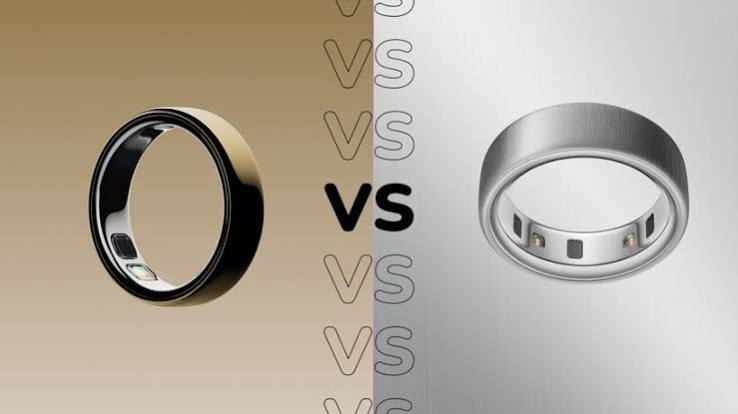
The Ring 5 is the newest model, launched in May 2026. It is smaller and lighter, with a slightly longer battery. Most of the app features are shared with the Ring 4.
What Changed in the Ring 5
Oura says the Ring 5 is about 40 percent smaller than the Ring 4. Battery life is rated at 6 to 9 days, depending on ring size and usage. It is available in sizes 6 to 13.
Is the Upgrade Worth It?
One reviewer noted that since the in-app tracking is available across the Ring 3, 4 and 5, the main reasons to buy the newest model are size, tracking accuracy and a small battery gain. If the Ring 4 is cheaper where you shop, it may be the better value.
Quick Comparison
| Feature | Oura Ring 5 | Oura Ring 4 |
|---|---|---|
| Starting price | From $399 | From $349 |
| Battery life | 6 to 9 days | 5 to 8 days |
| Water resistance | Up to 100 m | Up to 100 m |
| Material | Titanium | Titanium |
| Membership | $5.99/month or $69.99/year | $5.99/month or $69.99/year |
Prices are launch or list prices and can change. Check Oura’s site before buying.
How Much Does the Oura Ring Really Cost Over Three Years?
The ring is only half the price. The membership is the rest, and it is required for full data.
Upfront Cost
The Ring 5 starts at $399, and the Ring 4 at $349. A charging case for the Ring 5 is sold separately for $99, but it is optional.
The Membership
Oura charges $5.99 per month or $69.99 per year. A first month is usually included with a new ring. Without a membership, one source reports you only see basic daily scores with no detailed stats.
Three-Year Cost Example
| Option | Ring | 3 years of membership (annual plan) | Total |
|---|---|---|---|
| Oura Ring 5 | $399 | $209.97 | about $609 |
| Oura Ring 4 | $349 | $209.97 | about $559 |
These are list prices without tax or sales. Monthly billing costs slightly more over time.
What Are the Pros and Cons of the Oura Ring?
The ring is excellent at one job and average at others. Knowing both sides saves you from buyer’s regret.
Pros
- Very discreet, with no screen and no buzzing notifications
- Strong focus on sleep, recovery and stress
- Week-long battery, so charging is easy to forget
- Waterproof, so you can wear it in the shower
- Works with iPhone and Android
Cons
- High upfront price for a screenless device
- Ongoing membership fee
- Workout tracking is limited compared with a sports watch
- No GPS on the ring itself
- Sizing takes care, and a wrong size hurts data quality
Does the Oura Ring Really Work? How Accurate Is It?
It works well for trends, but treat any single number with caution. Finger-based sensors estimate heart rate, HRV and sleep stages. They are not medical devices.
Where It Is Strong
Resting heart rate, HRV trends and total sleep time are usually the most useful signals. Over weeks, they can show how habits like late nights or alcohol affect your recovery.
Where to Be Careful
Sleep stage labels are estimates, and different devices label them differently. Oura describes its newest ring as more accurate, but one reviewer noted that such claims still need independent testing.
Can It Warn You Before You Get Sick?
A rising temperature or resting heart rate can sometimes line up with an oncoming illness. Do not rely on it. If you feel unwell, speak to a doctor.
Oura Ring vs Apple Watch: Which Is Better for You?
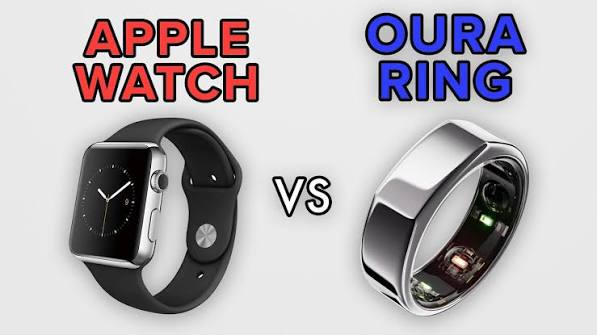
They solve different problems. A watch is better for workouts and notifications. A ring is better for comfortable sleep and recovery tracking.
Choose a Ring If
You hate wearing a watch to bed, want a discreet look and care most about sleep and recovery.
Choose a Watch If
You want GPS, workout tracking, on-wrist notifications and no required membership for core features. Check the current Apple Watch price and features on Apple’s site, since they vary by model.
Can You Wear Both?
Yes. Many people wear a watch by day for workouts and a ring for sleep data. That costs more, so decide if the extra data is worth it for you.
How Do You Pick the Right Size and Finger?
Fit matters more than most people expect. A loose ring gives noisy data, and a tight one is uncomfortable.
Use the Sizing Kit
Oura sizes are not the same as jewelry sizes. Order the sizing kit, wear the sample rings for a day or two, and try them morning and evening because fingers swell during the day.
Which Finger Works Best
Oura recommends the index finger for accuracy, but many people choose the middle or ring finger for comfort. Try more than one if you can.
Pro Tip: Judge It After Three Weeks, Not Three Days
New trackers need time to learn your baseline. Early scores can look odd, and that can make a good device seem bad.
A Simple Test Plan
Wear the ring every night for at least three weeks. Note how rested you feel each morning and compare it to your readiness score. If the two rarely match, the ring may not suit you.
[ADD YOUR OWN EXPERIENCE HERE: one or two sentences about what you personally noticed, only if you have actually tested a ring.]
Use the Return Window
Check Oura’s current return policy before buying. If you can return it, treat the first few weeks as a free trial and decide with real data.
Who Should Buy the Oura Ring and Who Should Skip It?
The best buyer cares about sleep, accepts a membership and wants something discreet. Everyone else should think twice.
Buy It If
- You want better sleep and recovery insight
- You dislike wearing a watch
- You are comfortable paying a membership
Skip It If
- You want GPS or detailed workout coaching
- You refuse any subscription
- You only need step counts, which cheaper trackers handle
Alternatives to Consider
If you want no mandatory fees, look at one-time-purchase bands. If you want training guidance, a sports watch may be better. Compare before you commit.
Is the Oura Ring worth the money?
It is worth it if sleep and recovery tracking matter to you and you accept the membership. If you want GPS or free core features, other devices fit better.
How much does the Oura Ring cost?
The Ring 5 starts at $399 and the Ring 4 at $349. Membership is $5.99 per month or $69.99 per year.
Do you have to pay a subscription for Oura?
For full app access, yes. Without it, one source says you only see basic daily scores.
How long does the Oura Ring battery last?
Oura rates the Ring 5 at 6 to 9 days per charge. Real life varies with ring size and usage.
Is the Oura Ring waterproof?
Oura lists 100 m water resistance for both the Ring 4 and Ring 5, so showering and swimming are generally fine.
Is the Oura Ring 5 better than the Ring 4?
It is smaller and has a slightly longer battery. The app features are similar, so the Ring 4 may be better value if it costs less.
Is the Oura Ring accurate?
It is good for trends in sleep, HRV and resting heart rate. It is not a medical device, so do not use it to diagnose anything.