Admin Sohail
Introduction
If you’re wondering whether an AI chatbot is worth adding to your website, the short answer is that it often pays for itself through small conversion gains that add up over time. I’ve helped set up chatbots on a couple of small e-commerce and service sites, and the results were noticeable within the first few weeks.
This guide breaks down exactly how AI chatbots improve website conversion, what features actually move the needle, and where they tend to fall short.
worldblueglow.com covers a lot of AI automation tools, and chatbots are one of the more accessible ones for businesses that don’t have a dedicated dev team.
How Do AI Chatbots Actually Increase Conversion Rates?
AI chatbots increase conversion by removing friction at the exact moment a visitor has a question or hesitation. Instead of leaving the site to search for an answer, the visitor gets it instantly.
Instant Response Reduces Bounce Rate
Visitors who don’t get quick answers tend to leave. A chatbot that responds within seconds keeps them engaged long enough to move further down the funnel.
Guided Product or Service Discovery
Chatbots can ask a few quick questions and point visitors to the right product page, which is especially useful for sites with a large catalog or complex service options.
Cart and Form Abandonment Recovery
Many chatbots trigger a message when a visitor hesitates on a checkout page or pricing page, offering help or a discount before they leave entirely.
Why Does Response Speed Matter So Much for Conversion?
Speed matters because hesitation is often the moment a sale is lost. The longer a visitor waits for an answer, the more likely they are to close the tab.
The Psychology of Immediate Answers
When a visitor gets an instant, relevant response, it builds a small amount of trust and momentum that carries them toward completing the action they were already considering.
Comparison With Traditional Contact Forms
A contact form response might take hours or days. A chatbot answers in seconds, which is a meaningful difference for visitors who are ready to buy right now, not later.
Which Chatbot Features Actually Improve Conversion?
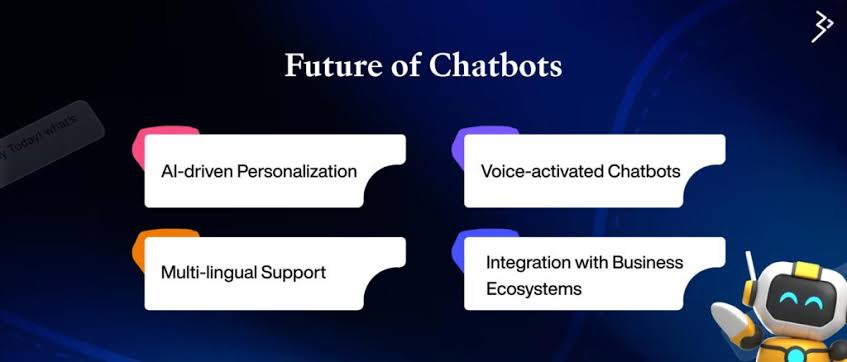
Not every chatbot feature contributes equally to conversion. Some are more about convenience than actual sales impact.
Here are the features I’ve seen make a real difference:
- Proactive trigger messages that appear after a visitor spends a certain amount of time on a page
- Product or service recommendation logic based on the visitor’s questions
- Human handoff options for when the bot can’t fully resolve a question
- Order or booking status lookups that reduce support-related exits
- Multilingual support for sites with international traffic
Pro Tip From Hands-On Testing
When I added a proactive chatbot trigger to a small service-based website, timed to appear after 20 seconds on the pricing page, inquiries through the chat widget increased noticeably within the first two weeks. The passive, always-visible chat icon alone hadn’t produced the same effect before that.
The lesson here was that a chatbot sitting quietly in the corner rarely gets used. A well-timed prompt makes a real difference.
AI Chatbots vs Traditional Live Chat
| Feature | AI Chatbot | Traditional Live Chat |
|---|---|---|
| Availability | 24/7 | Limited to staff hours |
| Response speed | Instant | Depends on staff availability |
| Cost over time | Lower after setup | Higher with staffing needs |
| Handling complex queries | Limited without human handoff | Better for nuanced issues |
| Personalization | Can use browsing data | Depends on agent knowledge |
What Are the Limitations of AI Chatbots for Conversion?
AI chatbots aren’t a guaranteed fix, and it’s worth being honest about where they fall short.
- Poorly trained bots frustrate visitors more than they help, especially if answers feel generic or repetitive
- Complex or emotional issues often still need a human agent to close the sale
- Overly aggressive pop-ups can annoy visitors and increase bounce rate instead of reducing it
- Setup and training take time, and results usually build gradually rather than overnight
FAQs
Do AI chatbots really increase sales, or just engagement?
In my experience, they tend to increase both, though the sales impact is usually smaller and takes longer to show up than engagement metrics like time on site.
What’s a realistic conversion improvement from adding a chatbot?
This varies a lot by site and industry, but noticeable improvements often show up within a few weeks if the chatbot is set up with proactive triggers rather than just passive availability.
Are AI chatbots better than live chat for small businesses?
For small businesses without staff to monitor live chat constantly, an AI chatbot often performs better simply because it’s always available.
Can a chatbot recover abandoned carts effectively?
Yes, many e-commerce chatbots trigger a message when a visitor lingers on the checkout page, which can recover some sales that would otherwise be lost.
Do visitors trust chatbots less than human agents?
Some visitors prefer human interaction for complex issues, which is why a human handoff option tends to improve overall satisfaction and conversion.
How long does it take to set up an AI chatbot on a website?
Basic setup for many platforms can be done in a day or two, though fine-tuning responses and triggers for better conversion usually takes a few weeks of adjustment.
Does chatbot personalization actually affect conversion rates?
Personalized recommendations based on browsing behavior tend to perform better than generic responses, though the effect size depends heavily on the product or service.
Conclusion
AI chatbots improve website conversion mainly by closing the gap between a visitor’s question and the answer they need, right when it matters most. The tools that perform best combine speed with smart, well-timed prompts rather than just sitting passively on the page.
For more breakdowns on AI tools that genuinely move the needle for small businesses, worldblueglow.com continues to test what’s worth implementing versus what’s just added complexity.