Admin Sohail
Introduction
If you’re trying to find promising startups without spending hours manually scrolling through Crunchbase or LinkedIn, AI-driven platforms for startup discovery can genuinely save time. I’ve used a few of these tools while helping a small VC-adjacent team build a lead list, and the difference in output quality between them was bigger than I expected.
This guide covers which platforms actually automate startup discovery well, how their AI scoring works, and what to watch out for before relying on one.
worldblueglow.com covers AI tools across a range of business use cases, and startup discovery is one area where the right platform can save a founder or investor real hours every week.
What Does “AI-Driven Startup Discovery” Actually Mean?
This term refers to software that uses machine learning models to automatically identify and rank startups based on signals like funding activity, team growth, or product traction, instead of relying on manual searches.
Signal-Based Scoring
Most platforms track things like hiring velocity, website traffic changes, and social mentions, then feed that data into a scoring model that flags companies showing early growth signs.
Data Aggregation at Scale
These tools pull from public sources like SEC filings, job boards, patent databases, and news mentions, combining them into a single dashboard instead of requiring separate manual searches across each source.
Which AI-Driven Platforms Can Automate Startup Discovery?
There are a handful of platforms that have built genuinely useful AI layers on top of startup data, rather than just offering a searchable database.
Crunchbase Pro
Crunchbase added AI-based recommendations that suggest similar companies and flag funding trends. It’s a solid entry point since the underlying data is already widely trusted.
PitchBook
PitchBook leans more toward institutional investors and includes predictive analytics for deal flow, though its AI features are more subtle compared to newer, AI-first platforms.
Harmonic
Harmonic is built specifically around AI-driven discovery, using signals like GitHub activity and hiring patterns to surface early-stage startups before they show up on more traditional databases.
Specter
Specter focuses heavily on real-time signal tracking and lets users build custom AI-scored watchlists based on specific growth indicators.
How Does the AI Actually Decide Which Startups to Surface?
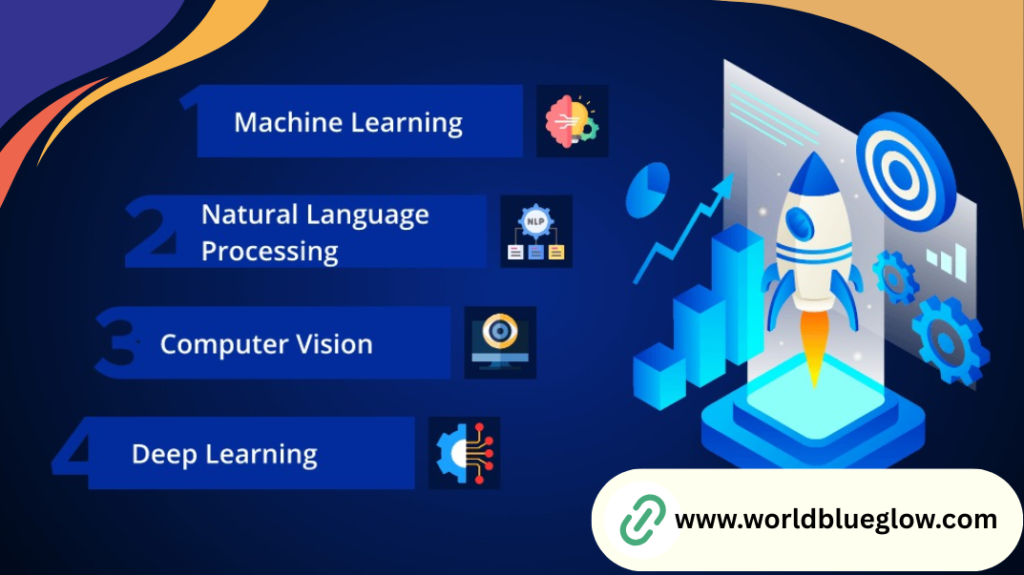
This is where a lot of platforms differ, and it’s worth understanding before trusting the output blindly.
Weighted Signal Models
Most tools assign different weights to signals like funding recency, headcount growth rate, and founder background, then combine them into a single relevance score.
Natural Language Processing on News and Filings
Some platforms use NLP to scan press releases, news articles, and filings to detect early signs of traction that wouldn’t show up in structured funding data alone.
Pro Tip From Hands-On Testing
When I tested Harmonic against a manual Crunchbase search for a niche B2B software category, Harmonic surfaced three early-stage startups that hadn’t appeared in Crunchbase yet, likely because they hadn’t announced funding publicly. That said, it also flagged two companies that turned out to be inactive, so the AI scoring isn’t perfect and still needs a manual sanity check.
I’ve found the biggest time savings come from using these tools to build a shortlist, not as a final decision-making source.
Free vs Paid AI Startup Discovery Tools
| Platform | Free Tier Available | AI Scoring Depth | Best For |
|---|---|---|---|
| Crunchbase | Yes, limited | Moderate | General startup research |
| PitchBook | No, demo only | Moderate to high | Institutional investors |
| Harmonic | Limited trial | High | Early-stage sourcing |
| Specter | Limited trial | High | Signal-based watchlists |
What Should You Check Before Relying on an AI Discovery Tool?
Not every platform’s AI claims hold up equally well, so a bit of manual verification helps avoid wasted outreach.
- Check how recently the data was updated, since stale funding data leads to outdated recommendations
- Cross-reference at least a few results manually, especially before outreach or investment decisions
- Look at how transparent the scoring criteria are, since a black-box score is harder to trust or refine
- Test the platform on a niche you already know well, so you can judge accuracy against your own knowledge
FAQs
What is the best free AI tool for startup discovery?
Crunchbase’s free tier offers decent baseline discovery, though its AI-based recommendations are more limited compared to paid tools like Harmonic.
Can AI startup discovery tools replace manual research entirely?
Not entirely, in my experience. They’re best used to build a shortlist, with manual verification still needed before major decisions.
How do these platforms find startups that haven’t announced funding yet?
Many use signals like hiring activity, website changes, and NLP-scanned news mentions to detect early traction before official funding announcements.
Are AI-driven startup discovery tools accurate?
They’re generally useful for surfacing candidates, but accuracy varies, and some flagged companies may be inactive or outdated in the data.
Which platform is best for early-stage startup discovery specifically?
Harmonic and Specter are generally considered stronger for early-stage discovery compared to more established databases like Crunchbase or PitchBook.
Do I need a paid plan to use AI scoring features?
Most platforms limit deeper AI scoring and custom watchlists to paid tiers, with free versions offering basic search and filtering only.
How often is the data updated on these platforms?
This varies by platform, but most update funding and hiring data on a rolling basis, sometimes daily for actively tracked companies.
Can small businesses use these tools, or are they mainly for VCs?
While built with investors in mind, these tools can also help small businesses identify potential partners, competitors, or acquisition targets.
Conclusion
AI-tool-driven platforms can genuinely automate a lot of the manual work involved in startup discovery, but the quality of results still depends on the platform and how the AI scoring works. Tools like Harmonic and Specter are strong for early signals, while Crunchbase and PitchBook remain solid for broader research.
For more comparisons of AI tools built for business research and automation, worldblueglow.com continues to test what actually saves time versus what just adds noise.