Numan Builder
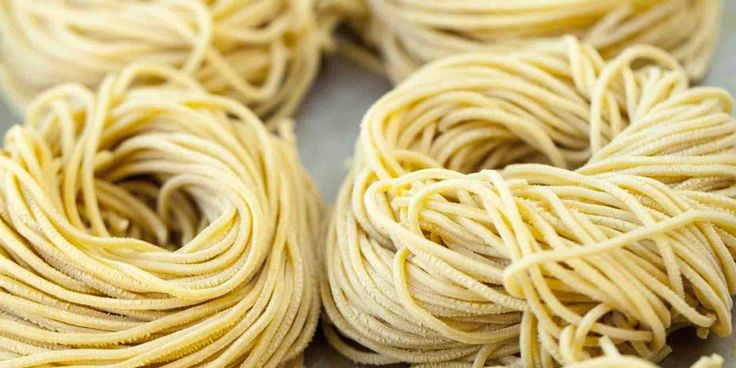
Quick Answer: The best flour for ramen noodles is a high-protein bread flour or high-gluten flour, usually around 12 to 14 percent protein. It builds strong gluten, so the noodles stay springy and chewy in hot broth. All-purpose flour can work in a pinch, but the noodles are often softer and crack more easily. Skip cake and pastry flour completely.
Introduction
Homemade ramen lives or dies on the flour. Pick the wrong bag and your noodles crack while rolling, feel stiff, or turn mushy in the broth within minutes. This guide from worldblueglow.com explains what to buy and why.
Who This Guide Is For
This is for home cooks who already tried a ramen noodle recipe and got mixed results. It also helps beginners who stand in the baking aisle and wonder which bag is the right one.
What You Will Learn
You will learn how protein, starch, and ash change your noodles. You will also get a clear flour comparison, simple tests, and fixes for common problems.
What Makes a Flour Good for Ramen Noodles?
Ramen dough is tougher than bread dough. It uses little water, includes alkaline ingredients, and gets rolled and cut repeatedly. So small differences in flour show up fast.
Protein: The Backbone of Chew
When wheat protein meets water, it forms gluten. More protein usually means firmer, chewier noodles. Many Japanese ramen shops use flour with roughly 10 to 13 percent protein, depending on the style.
Higher is not always better. Too much protein can make noodles hard instead of pleasantly springy.
Starch: The Source of Bounce
Starch gives ramen its elastic, slightly sticky bite. Think of gluten as the frame of a building and starch as what fills it in. You need both working together.
Two flours can list the same protein number and still eat differently. The type of wheat and the quality of its starch both matter.
Ash Content: Color and Cleanliness
Ash is the mineral content left after flour is burned in a lab test. Flour with lower ash is generally brighter and cleaner in color, and it is usually graded higher in Japan.
High-ash flour can make noodles look dull or grayish. It may also hurt the texture.
Additives and Milling: The Hidden Variables
Some budget bread flours contain dough conditioners such as ascorbic acid. Some ramen teachers report that this can make low-water ramen dough feel stiff and harder to roll.
Consistent milling also matters. If your flour absorbs water differently from bag to bag, your dough will feel different every time.
Which Flour Is Best for Ramen Noodles?
For most home cooks, the answer is bread flour or high-gluten flour. They have enough protein to handle low hydration and alkaline dough. Here is how each option performs.
Bread Flour: The Best Starting Point
Bread flour is easy to find and works well for most ramen styles. Look for a protein level around 12 percent or higher on the label.
If you only buy one flour to start, make it this one.
High-Gluten Flour: For Extra Chew
High-gluten flour is stronger than standard bread flour. It suits thin, firm noodles and gives a pronounced bite.
It can feel tough to roll by hand. A pasta machine or a longer rest makes it easier.
All-Purpose Flour: Fine in a Pinch
All-purpose flour sits in the middle. You can make noodles with it, but they often feel softer and lose their bite faster in broth.
If it is all you have, keep the dough well rested and serve the noodles quickly.
Cake and Pastry Flour: Skip It
Cake and pastry flour is low in protein and built to stay tender. Ramen noodles made from it tend to break apart and turn soft.
In Japan this type is called hakurikiko, and it is not used for ramen.
Quick Comparison Table
Protein numbers vary by brand, so always check the label on your own bag.
| Flour Type | Typical Protein (approx.) | Ramen Result | Verdict |
|---|---|---|---|
| Cake or pastry flour | 7 to 9 percent | Fragile, soft, breaks easily | Avoid |
| All-purpose flour | 10 to 12 percent | Softer chew, can crack when rolled | Backup option |
| Bread flour | 12 to 14 percent | Springy, smooth sheeting | Best for most people |
| High-gluten flour | 13 percent and above | Very firm, strong bite | Best for thin, firm noodles |
How Flour Choice Changes Your Noodle Style

There is no single perfect flour for every bowl. The right choice depends on the noodle you want to eat.
Thin, Straight, Firm Noodles
These noodles pair with rich pork broths and need a strong, snappy bite. Use higher-protein bread flour or high-gluten flour with a lower water ratio.
Thick, Wavy, Soft Noodles
Thicker, wavy noodles hold lots of broth and feel softer and juicier. Lower-protein flour with a higher water ratio suits this style better.
Water and Alkaline Salts Matter Too
Flour is only part of the picture. Many hand-made ramen recipes use roughly 30 to 38 percent water by flour weight, plus a small amount of kansui, often around 1 percent.
No kansui at home? Baked baking soda is a common substitute. Higher-protein flour usually needs a bit more water, so adjust slowly.
Budget vs Premium Flour: Does Price Matter?

A premium bag costs more, but it does not automatically make better ramen. Whether it is worth paying for depends on how much control you want over texture and color.
What a Higher Price Can Buy
Premium flours are often more consistent from bag to bag. Some also give smoother sheeting and brighter noodles, especially after a day in the fridge.
Storage color is one place where differences can show up, since ash and enzyme activity may darken noodles over time.
When Budget Flour Is Enough
If you cook ramen occasionally, a decent bread flour is plenty. Technique, resting time, and correct hydration matter more than brand for a beginner.
Pro Tip: Run a Side-by-Side Test
Make two small batches using different flours. Keep the weight of flour, water, and kansui identical, and rest both doughs for the same time.
Cook both noodles on the same day and compare bite, smell, and color. Write the results down. In my view this single test teaches more than any flour review, because your hands and your recipe are the real judge.
Common Flour Mistakes
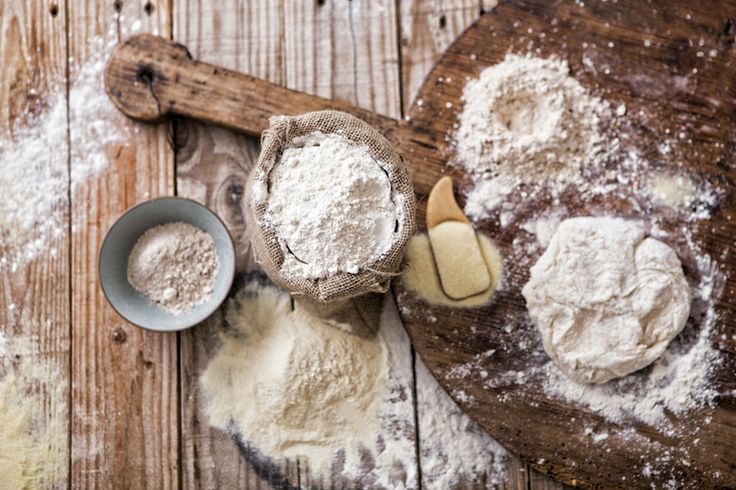
Most ramen noodle problems come from a few repeat mistakes. Fix these first before you buy a more expensive flour.
Mistakes That Ruin Texture
- Using cake or pastry flour because it was on the shelf.
- Measuring by cups instead of weighing in grams.
- Adding too much water to make the dough easier to knead.
- Skipping the rest, which leaves the gluten tight and the dough hard to roll.
Mistakes That Ruin Color and Flavor
- Buying bleached flour without checking how it behaves in your recipe.
- Storing cut noodles uncovered in the fridge.
- Ignoring the date and smell of old flour.
Flour Names Around the World
Flour labels change from country to country. Here is how to find the right match wherever you shop.
Japan
Hard wheat flour is called kyorikiko. Many ramen makers use semi-strong or strong flour, and sometimes blend several flours to get their own texture.
UK and Commonwealth Countries
Look for strong white bread flour. It is usually the closest match to North American bread flour.
South Asia
Maida is generally a refined wheat flour, closer to all-purpose flour than bread flour. If you can find strong or bread flour at a bakery supplier, use that for better chew.
Can I use all-purpose flour to make ramen noodles?
Yes, but the noodles are usually softer and may crack more while rolling. Bread flour gives a more reliable, springier result.
Is bread flour the same as high-gluten flour?
Not exactly. High-gluten flour generally has more protein than standard bread flour. Both work for ramen, but high-gluten feels firmer.
What protein percentage is best for ramen flour?
Most ramen styles work well somewhere between 10 and 14 percent protein. Firm thin noodles lean higher, while soft thick noodles lean lower.
Why do my ramen noodles crack when I roll them?
The dough is often too dry, or it has not rested long enough. A flour that is too weak or too stiff can also cause it.
Does expensive flour really make better ramen?
Sometimes. Premium flour can be more consistent and smoother to roll, but good technique usually matters more than price.
Can I use whole wheat flour for ramen?
You can, but whole wheat adds bran and ash, which makes noodles darker and often less springy. Many cooks blend in only a small share.
Do I need kansui to make ramen noodles?
Kansui gives ramen its color, aroma, and springy bite. If you do not have it, baked baking soda is a popular home substitute.
- Men’s Travel Bags: How to Pick the Right One for Your Trips
- Best Lululemon Dupes for Fall: Cheaper Picks That Actually Hold Up
- Is Lululemon’s Energy Bra Worth the Price? A Guide to Sizing, Support and Fit
- Healthy Ice Cream: How to Pick a Lighter Frozen Treat You’ll Actually Enjoy
- Roomba Plus 505 Combo Robot Vacuum Review: Great Dock, Mixed Verdicts