Admin Sohail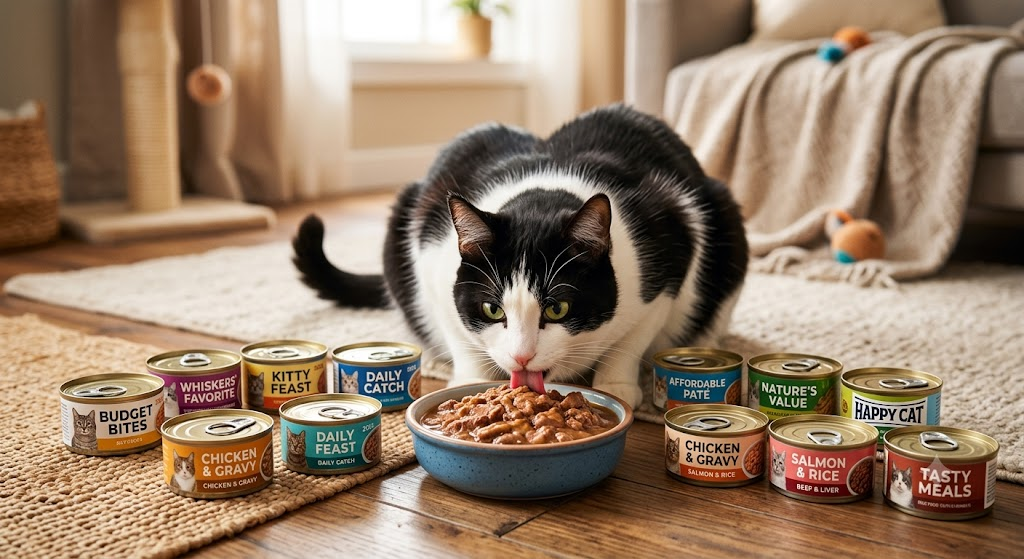
Why Canned Food is Important
Canned cat food serves as an essential dietary option for felines, offering several benefits that cater to their natural dietary needs. One of the primary advantages of canned food is its high moisture content, which aids in hydration. Many cats do not drink adequate water, leading to dehydration, which can impact their overall health. Canned food can help combat this issue, providing moisture that supports kidney health and urinary tract function.
In addition to hydration, canned cat food is known for its balanced nutrition. These foods generally contain higher protein content compared to their dry counterparts, which is crucial for a cat’s muscle maintenance and energy levels. Meat-based canned food often includes essential amino acids, vitamins, and minerals that are vital to a cat’s health. As obligate carnivores, cats thrive on a diet rich in animal proteins and fats, making canned food a preferable choice for cat owners.
Another significant aspect of canned food is its potential benefits for dental health. While dry food proponents often argue that crunchy kibble can help clean teeth, research suggests that canned food may actually promote better oral hygiene. The softer textures of canned food do not lead to tartar build-up in the same manner that some kibble may. Feeding your cat canned food can reduce the risk of dental issues over time.
Studies have consistently shown that canned food provides various nutritional advantages, supporting healthier weight maintenance and reducing the likelihood of obesity. Additionally, its palatability tends to be greater, enticing picky eaters or cats with diminished appetites. Overall, incorporating canned food into a cat’s diet can significantly enhance their nutritional intake and overall well-being.
Top 11 Budget Brands Reviewed
When selecting affordable canned cat food, it is essential to find brands that strike a balance between cost-effectiveness and high nutritional quality. Here, we review the top eleven budget brands, emphasizing their key ingredients, nutritional values, taste preferences among pet owners, and price points.
1. Fancy Feast: Widely popular among cat owners, Fancy Feast offers a variety of flavors that appeal to feline taste buds. With a focus on real meat and fish ingredients, this brand provides high protein content at an affordable price.
2. Friskies: Known for its extensive range of flavors, Friskies caters to different preferences. Its canned options contain essential vitamins and minerals, ensuring a balanced diet for cats. The price point is budget-friendly, making it an accessible choice for many.
3. Hill’s Science Diet: While slightly pricier than some budget counterparts, Hill’s Science Diet often justifies its cost with enhanced nutritional profiles tailored for specific health needs. Their formulas promote overall wellness and are well-received by picky eaters.
4. Purina One: Purina One’s canned cat food boasts a rich protein source, supportive of muscle maintenance. The brand emphasizes quality ingredients without excessive fillers, ensuring optimal nutrition while remaining economically viable.
5. 9Lives: This brand offers a wide variety of flavors at low price points. With a nutritional profile that includes added vitamins and minerals, 9Lives is a well-rounded option for budget-conscious pet owners.
6. Meow Mix: Known for their delightful flavors, Meow Mix effectively combines affordability with nutritional benefits. Their formulas aim to satisfy different dietary needs, making it a practical choice for diverse feline households.
7. Tiki Cat: Tiki Cat emphasizes high-protein and low-carb recipes sourced from real meat, making it ideal for health-conscious cat owners who wish to remain within a budget.
8. Wellness CORE: Although perceived as a premium brand, Wellness CORE offers cost-efficient options that deliver high protein and low carbohydrate content, supporting a healthy lifestyle for felines.
9. Nutro Grain Free: Nutro offers specialized grain-free options loaded with proteins and essential nutrients for digestive health. The pricing remains competitive, providing quality nutrition at a lower cost.
10. Blue Buffalo: With its commitment to wholesome ingredients, Blue Buffalo remains a favorite among discerning cat parents, providing organic options that maintain an attractive price point.
11. Rachael Ray Nutrish: This brand is known for its fresh ingredients that benefit cats with food sensitivities or preferences. Their products deliver high-quality nutrition without a hefty price tag.
This review demonstrates that budget canned cat food brands can provide quality nutrition at competitive prices. Pet owners are encouraged to explore these options to ensure their furry friends enjoy delicious meals without straining their wallets.
What to Check on the Label
When selecting canned cat food, understanding the label is crucial for ensuring optimal nutrition for your feline friend. The first aspect to examine is the protein content, as cats are obligate carnivores requiring a diet rich in animal protein. Look for high-quality protein sources, such as chicken, turkey, or fish, listed as the first ingredient. Ideally, the protein content should be around 30-50% on a dry matter basis, promoting muscle maintenance and overall health.
In addition to protein, it’s essential to assess the presence of essential nutrients. Key nutrients include taurine, an amino acid vital for heart and eye health; vitamins A, E, and B; and minerals like calcium and phosphorus. These components should be included in the ingredient list or guaranteed analysis on the label, reinforcing the food’s role in providing a balanced diet.
Another factor to consider is the presence of fillers and artificial additives. Ingredients such as corn, wheat, and soy are often used as fillers and offer minimal nutritional value for cats. Furthermore, artificial colors, flavors, and preservatives can be harmful. Ensure the food contains real meat and wholesome ingredients, avoiding those with vague terms like “meat by-products” or “animal digest,” which can indicate low-quality ingredients.
Pay attention to your cat’s specific dietary needs as well. For cats with sensitivities or allergies, opt for brands that offer limited ingredient diets or grain-free options. Labels stating “grain-free” should still be assessed for balanced nutrition, as cats require specific nutrients that may be absent in grain-free formulations. By carefully analyzing the label and prioritizing protein sources, essential nutrients, and the absence of fillers, you can make informed choices regarding your cat’s diet.
Vet Tips for Feeding Canned Cat Food
When it comes to feeding your feline companion canned cat food, it is essential to follow veterinary guidelines to ensure proper nutrition and health. One of the first steps is determining the recommended serving sizes appropriate for your cat’s age, weight, and activity level. Generally, a typical adult cat weighing around 10 pounds requires approximately one 5.5-ounce can of food per day, which can be divided into two meals. However, always consult with a veterinarian for personalized advice tailored to your cat’s specific needs.
Transitioning your cat from dry food to canned food may initially pose challenges. Introducing canned food gradually over a week or two can help cat acclimatize to the new texture and flavor. Start by mixing a small amount of canned food with their dry food, gradually increasing the proportion of wet food while decreasing the dry. This method minimizes dietary upset and encourages acceptance of the new food. Additionally, allowing your cat to explore various flavor options can make the transition smoother; different proteins, like chicken, beef, or fish, may entice them to eat.
Maintaining a balanced diet for your cat is crucial throughout its life stages. Kittens require more protein and fat, whereas senior cats might benefit from lower-calorie options without sacrificing nutrients. It’s important to select a canned food that meets the nutritional profiles established by the Association of American Feed Control Officials (AAFCO). Regular vet check-ups are recommended to monitor your cat’s health and adjust dietary needs as necessary.
Pet owners often express concerns regarding feeding their cats solely canned food. While canned food offers benefits such as increased moisture intake, it’s vital to ensure that any diet provides all essential nutrients. Additionally, consult your vet if your cat exhibits changes in behavior or digestion during dietary transitions; they can provide insights to ensure your cat maintains optimal health.