Admin Sohail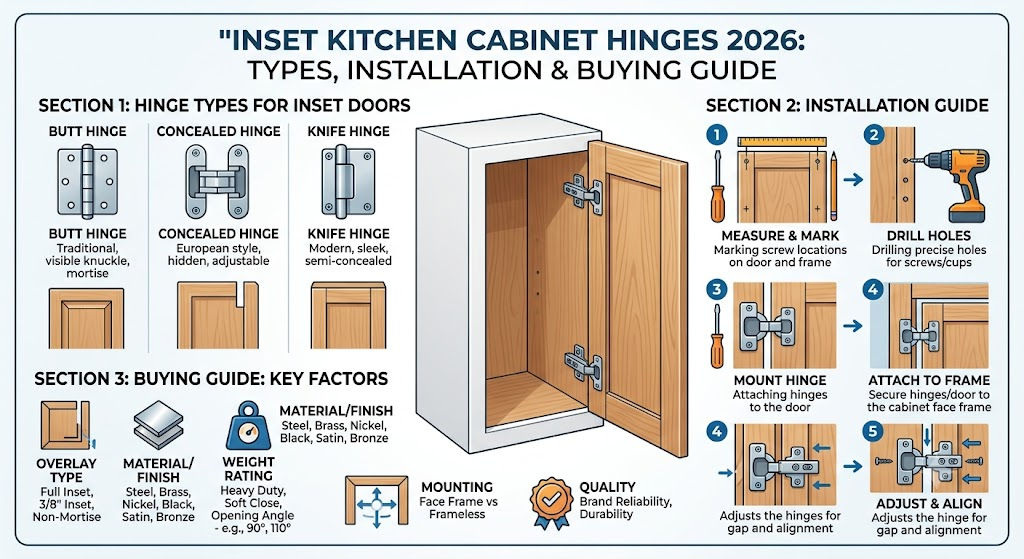
Understanding Inset Cabinet Hinges
Inset cabinet hinges are a specialized type of hinge designed primarily for cabinetry where the doors sit flush with the cabinet frame. This innovative design allows for a clean and seamless appearance, particularly valued in kitchen cabinetry. These hinges differ significantly from traditional types, such as overlay hinges, which extend beyond the cabinet frame. By integrating with the cabinet structure more effectively, inset hinges achieve a polished aesthetic that aligns perfectly with modern kitchen designs.
The primary role of inset cabinet hinges is to facilitate the smooth operation of cabinet doors while maintaining a streamlined look. The door panels are set back slightly, making it possible for them to close completely against the frame without protruding. This functionality not only enhances the visual appeal of the cabinetry but also contributes to efficient space utilization, especially in kitchens where every inch counts. As a result, designers and homeowners frequently opt for inset hinges to create a sophisticated and organized environment.
There are several advantages associated with the use of inset cabinet hinges. Firstly, their aesthetic appeal cannot be overstated; they deliver a minimalist look that is increasingly favored in contemporary interior design. Additionally, because these hinges allow for doors to be fully contained within the cabinet frame, they can help to maximize usable space in the kitchen—an important consideration for both functionality and accessibility. Furthermore, inset hinges can complement a range of design styles, from traditional to modern, rendering them a versatile choice for varied kitchen designs.
Overall, understanding the functionality and benefits of inset cabinet hinges demonstrates their importance in achieving both form and function in cabinetry. By providing a custom fit and an elegant appearance, inset hinges elevate kitchen design while ensuring practicality in everyday use.
Types of Cabinet Hinges: Overlay, Inset, and Full Inset
When selecting cabinet hinges for kitchen cabinetry, understanding the variations among them is crucial. The three primary types of hinges are overlay, inset, and full inset, each serving different design aesthetics and functional requirements.
Overlay hinges are designed to extend beyond the cabinet frame, allowing the cabinet doors to cover a portion of the cabinet frame itself. This design is particularly beneficial for those looking to achieve a modern, streamlined appearance where the door fronts fully conceal the cabinet box. Overlay hinges are easy to install and come in a range of styles and finishes, making them a popular choice for a variety of cabinetry styles.
On the other hand, inset hinges create a flush appearance, where the cabinet doors sit level with the face of the cabinet frame. This hinge type provides a traditional look, ideal for cabinetry that emphasizes craftsmanship and elegance. Inset hinges require precise installation, as even slight misalignment can affect the overall aesthetics and functionality of the doors.
Full inset hinges offer a similar flush appearance as standard inset hinges but come with their own specific mounting requirements. They are designed to accommodate door panels that are completely recessed into the cabinetry. This hinge type is often used in custom cabinetry and can emphasize the details of the cabinetry’s finish. Each of these hinge types brings unique advantages to kitchen designs, allowing homeowners and designers to tailor their choices to fit both the functional and aesthetic needs of the space.
Choosing the Best Materials for Inset Cabinet Hinges
When selecting inset kitchen cabinet hinges, the material plays a crucial role in determining their performance, durability, and overall aesthetic. Common materials used in manufacturing these hinges include stainless steel, brass, and plastic, each with its own set of pros and cons.
Stainless steel is widely regarded as one of the best choices for cabinet hinges due to its impressive durability and resistance to corrosion. This makes stainless steel hinges particularly suitable for kitchens, where exposure to moisture and heat is common. Moreover, stainless steel offers a sleek, modern appearance, making it versatile and compatible with various kitchen styles. However, higher-grade stainless steel hinges can be more expensive than other options, which is a consideration for budget-conscious consumers.
Brass, known for its timeless aesthetic, is another popular choice for inset cabinet hinges. It provides a classic look that can enhance traditional or vintage kitchen designs. Brass hinges are also sturdier than plastic, offering a good balance of beauty and functionality. However, they are prone to tarnishing and may require periodic polishing to maintain their appearance. Additionally, brass hinges can sometimes be costlier than stainless steel options.
Plastic hinges, while often the most economical choice, may not provide the same level of durability as their metal counterparts. They can be suitable for lighter cabinet doors and are available in various colors to match different kitchen designs. However, plastic is susceptible to fading and may not withstand high temperatures, which limits its usage in certain kitchen environments.
When choosing the right material for inset cabinet hinges, consider your kitchen’s usage patterns, overall style, and budget. Evaluate how often the cabinets will be used, the potential for exposure to moisture, and the desired aesthetics to select the most appropriate option for your needs.
Installation Tips and Considerations
Installing inset kitchen cabinet hinges requires careful planning and execution to ensure a seamless, professional appearance. Before beginning the installation process, it is essential to gather the appropriate tools. These typically include a power drill, drill bits, a screwdriver, a measuring tape, a level, and a chisel. Additionally, having wood glue and clamps can be beneficial for securing any loose components during assembly.
The first step in the installation process is to measure the placement of the hinges accurately. Use the measuring tape to determine the intended height of the cabinet doors and mark the spots where the hinges will be attached. Ensure that these markings are level to avoid misalignments. Once the measurements are confirmed, you can begin drilling pilot holes for the hinges.
When drilling holes, it is crucial to maintain the proper depth; this can be achieved using a depth gauge on your drill. Take care not to drill too deeply, as this could compromise the integrity of the cabinet structure. After drilling, use a chisel to carefully create recesses for the hinges in the cabinet frame. This step ensures that the hinges sit flush with the door and frame, facilitating smooth operation.
A common mistake to avoid is failing to adjust the hinges adequately after installation. Once the hinges are in place, take the time to test the movement of the cabinet doors. If they do not close correctly, adjustments can often be made by loosening screws on the hinges and repositioning them slightly.
For optimal function, ensure that the cabinet doors align evenly when closed. Check that there are no gaps between the doors and the cabinet frame. A well-installed inset hinge setup not only enhances the aesthetic appeal of your kitchen but also promotes the longevity of your cabinetry.